
Mobile Patrol Best Practices for Commercial Properties
By Michael Ross
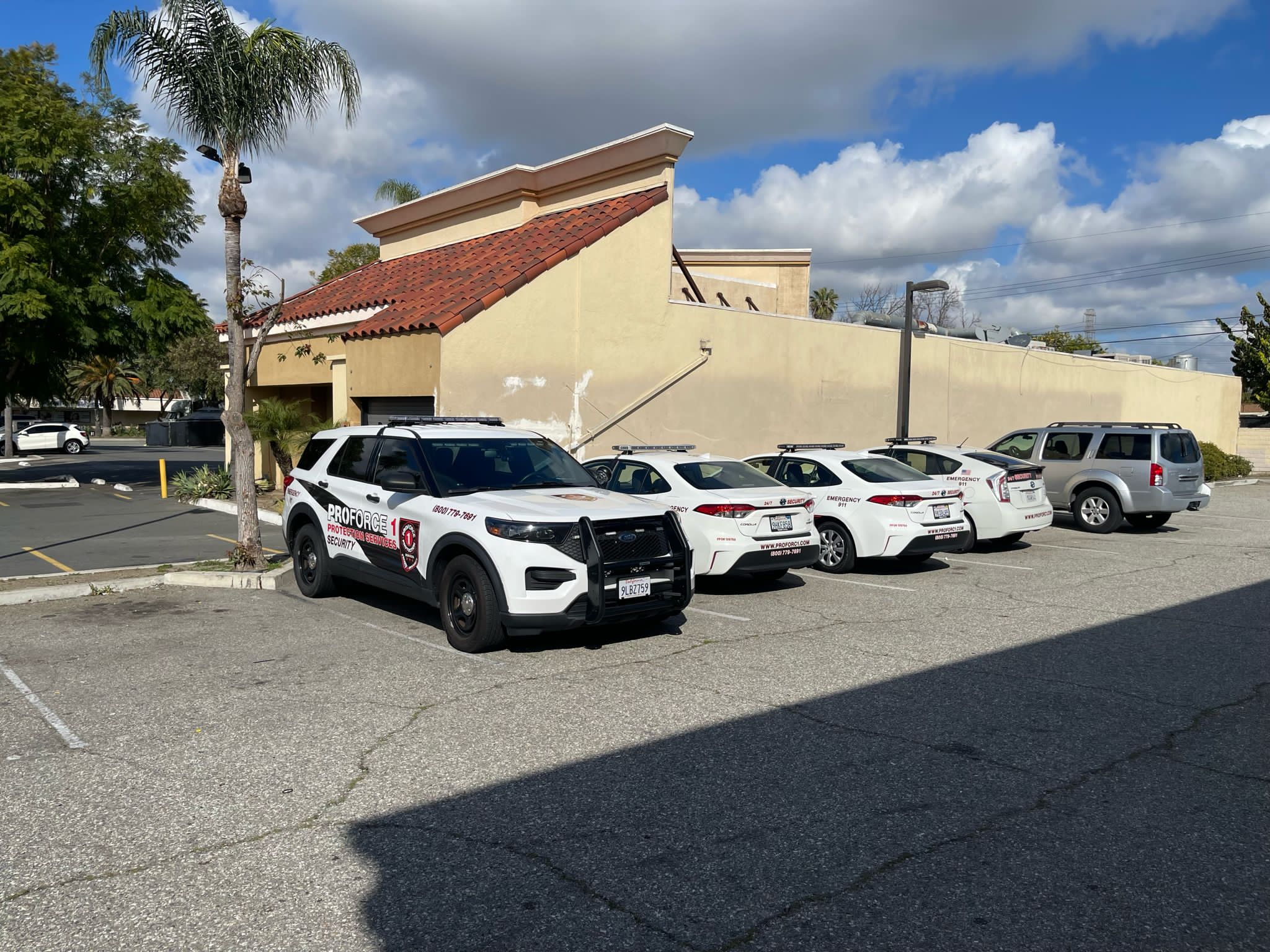
Static guards aren't always the answer. Learn how mobile patrols provide cost-effective, high-visibility deterrence for sprawling commercial lots.
For many businesses—especially those with large parking lots, construction sites, or multiple buildings—hiring a standing guard for every corner is financially impossible. This is where Mobile Patrol Services shine. However, driving a car around a lot isn't enough. Effective patrolling is a science.
1. The Principle of Unpredictability
Criminals watch patterns. If your security vehicle passes by exactly at 10:00 PM and 2:00 AM every night, thieves will simply plan their break-in for 12:00 AM.
Best Practice: We utilize randomized patrol routes and staggered timing. The goal is to create a "zones of uncertainty" for potential intruders—they never know when a patrol car might turn the corner.
2. High-Visibility vs. Stealth
There is a debate between "stealth" patrols and "marked" vehicles. For commercial properties, deterrence is key.
- Lighting: Using amber overhead lights while patrolling parking lots signals presence.
- Markings: Clearly reflective graphics on vehicles deter loitering immediately.
- Dismounts: The driver must not stay in the car. Checking doors physically (handle shaking) is mandatory.
3. GPS Reporting & Geofencing
How do you know the patrol actually happened? Modern best practices require digital transparency. ProForce1 vehicles are equipped with GPS tracking that logs:
4. Integrated Alarm Response
Mobile patrols are most effective when paired with an alarm system. Instead of the police (who may be delayed by non-emergency calls), a mobile patrol unit already in the area can respond to a tripped sensor in minutes, verifying if it is a false alarm or a real threat.
Is your lot vulnerable at night?
Secure your perimeter without breaking the budget. Contact ProForce1 to schedule a site assessment for our Mobile Patrol units.