
The Psychology of Deterrence in Physical Security
By Dr. Amanda Foster
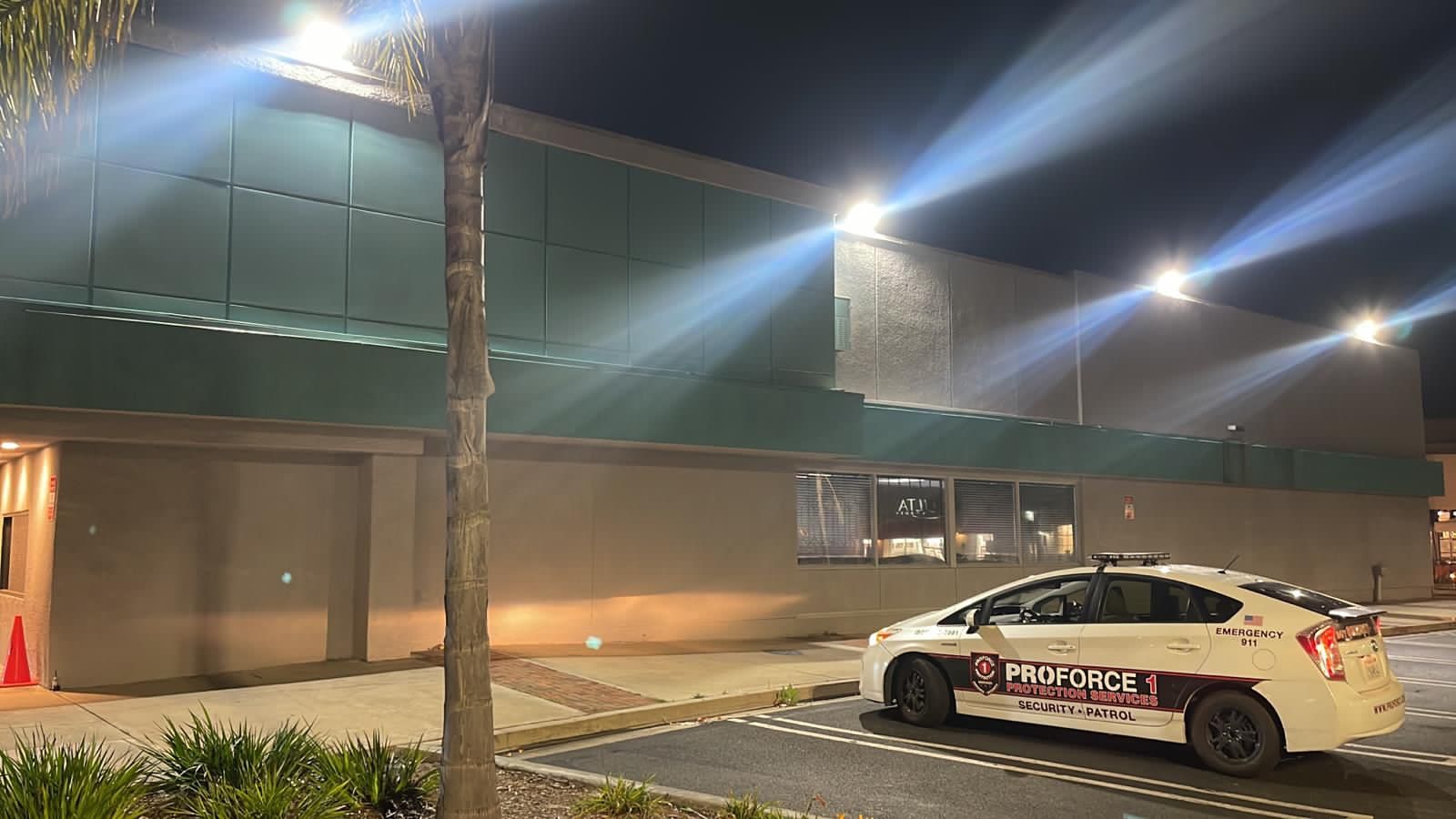
Understanding how visible security measures and professional presence can prevent incidents before they occur.
Security is often thought of as physical barriers: fences, locks, and guards. However, the most effective security takes place in the mind of the potential offender. This concept is known as Rational Choice Theory. Before committing a crime, an offender weighs the risks against the rewards. Our goal is to tip that scale.
1. The Broken Windows Theory
This criminological theory suggests that visible signs of disorder (broken windows, graffiti, litter) encourage further crime. It signals that "no one cares" and "no one is watching."
Application: A clean, well-lit, and well-maintained property is inherently safer. It signals active management and vigilance.
2. The Uniform Effect
Why do we wear uniforms? It's not just for identification. A crisp, professional uniform conveys authority and competence. An offender sees a guard in a sloppy uniform and thinks, "They are lazy, I can get past them." They see a guard in a professional uniform and think, "They are disciplined, I should go elsewhere."
3. Natural Surveillance (CPTED)
Crime Prevention Through Environmental Design (CPTED) relies on psychology. By trimming hedges and using open fencing, we create "natural surveillance." Criminals feel exposed. If they feel like they can be seen by neighbors or passersby, the psychological pressure usually forces them to abort.
4. Signage as a Warning
Simple signs like "Under 24/7 Surveillance" or "K-9 Patrol" act as psychological barriers. Even if a dog isn't currently present, the threat of the dog creates fear. Fear is a potent deterrent.
Security is more than just muscle.
At ProForce1, our officers are trained in the psychology of presence. We stop threats before they happen by projecting authority and awareness.