
Armed vs. Unarmed Security Guards: Which Does Your Business Need?
By Security Operations Team
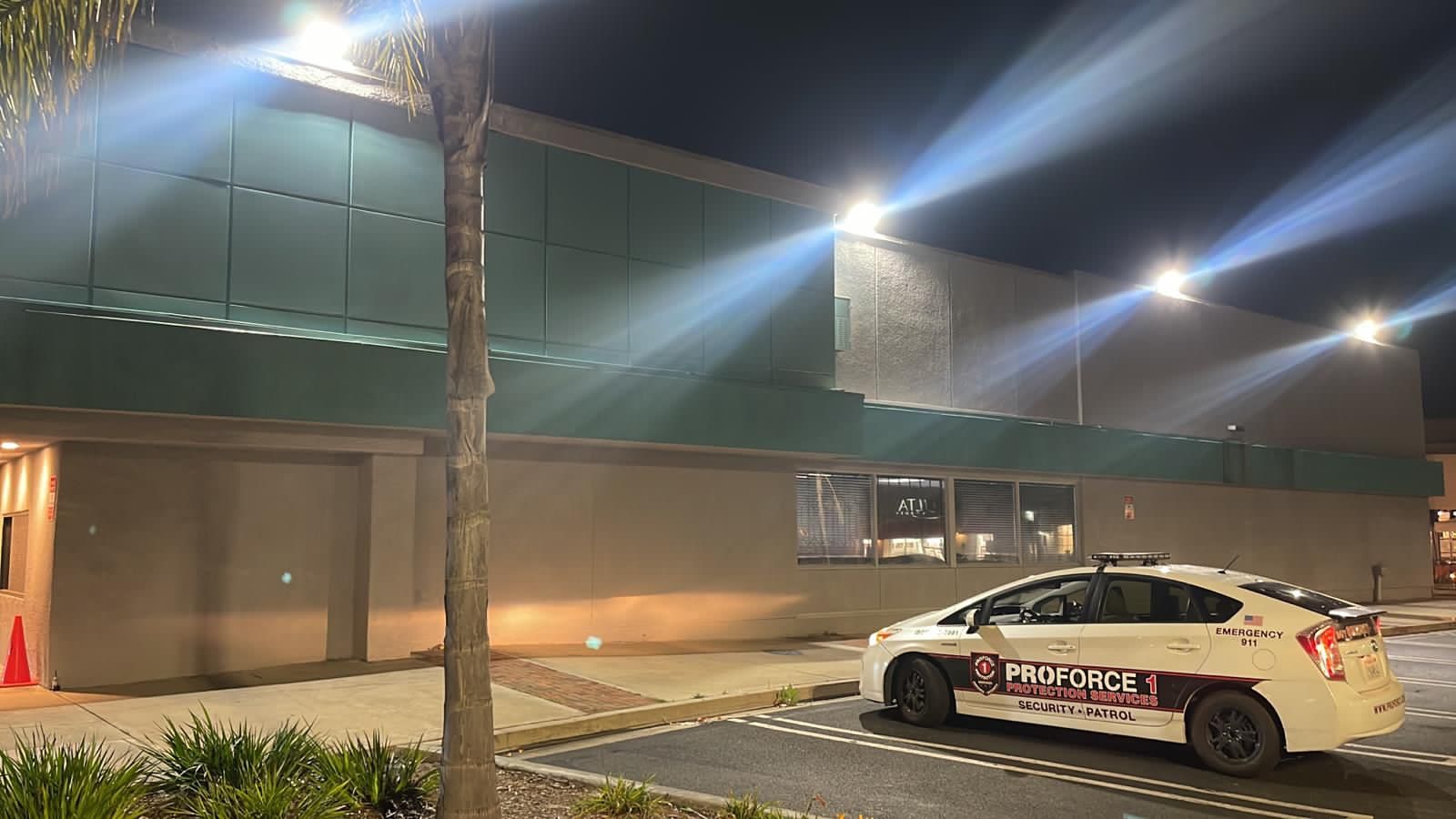
Unarmed security is common for most businesses handling daily patrol, access control, and customer-facing roles, while armed security is suited for high-risk operations such as cash handling, a jewelry shop, or a bank. The right choice depends on your risk, local regulations, and your budget — the threats at a retail store are different from those at a cannabis dispensary, so the type of guard should be too. Here is how to determine which one your business actually requires.
What's the Real Difference Between Armed and Unarmed Guards?
Unarmed guards carry no weapon; their primary duties are presence, observation, and response. They patrol, monitor cameras, check IDs, greet visitors, and call police when there is a problem. Armed guards do all of that as well, but carry a firearm and typically complete additional training. Most states require armed officers to complete at least 40 hours more in weapons certification than standard guard training.
In practice, the two roles tend to divide like this:
- Unarmed guards handle retail stores, office buildings, apartment complexes, warehouses, schools, and event venues.
- Armed guards protect banks, check-cashing stores, jewelry stores, cannabis dispensaries, cash-in-transit runs, and construction sites with high-dollar equipment.
- Cost difference is real — armed guards run 20–40% more per hour due to licensing, insurance, and liability coverage.
- Training matters too. Unarmed guards may receive 8–40 hours of state-required training, while armed guards may need 40–60+ hours plus regular range re-qualification.
- Liability exposure differs. Insurance markets price armed coverage differently because of the added liability that comes with a firearm.
If your business involves cash, valuable objects, or a history of violent incidents, armed protection is worth considering. For most cases of theft, trespassing, or general disorder, unarmed personnel are typically sufficient.
Does Crime Data Actually Support Hiring Armed Guards?
Sometimes, but not always. A blanket policy does not work because robbery rates vary widely by industry and by location. According to FBI Uniform Crime Reporting data, risk is unevenly distributed: a convenience store in a high-crime ZIP code faces very different odds than an identical store in a quiet suburb.
A few numbers worth knowing:
- Convenience stores report some of the highest robbery rates of any retail category, per National Association of Convenience Stores data — part of why some gas stations use armed staff on night shifts.
- Banks average far fewer robberies today than decades ago, thanks to better vaults and cameras, yet many still keep armed guards purely as a deterrent, since even one incident can be costly.
- Jewelry stores face a disproportionately high risk of armed robbery relative to their transaction size, which is why the sector leans armed almost universally.
The pattern is not “more crime equals armed guards” — it is “high-value, high-liquidity targets equal armed guards.” Cash and small valuables that are easy to grab and resell attract more planned criminal attention than bulk merchandise.
How Do You Decide What Your Business Actually Needs?
Start by asking a few honest questions instead of guessing:
- What's on-site? Cash drawers, safes, pharmaceuticals, and jewelry raise the stakes. General merchandise usually does not.
- What's your location's crime history? Pull local police reports for your address or neighborhood over the past two years. Patterns tell you more than gut feelings.
- What does your insurance policy require? Some carriers mandate armed coverage for certain industries as a condition of the policy, and skipping that step can void a claim later.
- What's your state's licensing law? Armed requirements differ by state — some require a separate firearms permit on top of the standard guard card, and hiring through a licensed provider keeps you compliant.
- What's your actual budget? Armed staffing costs more, so a smaller operation may do better investing in cameras, lighting, and access control alongside unarmed guards rather than stretching for armed coverage it cannot sustain long-term.
A security consultation — from your insurance provider or a licensed security firm — turns these questions into a real risk assessment instead of a guess. ProForce1 Protection offers both armed security guard services and unarmed security guard services, and typically starts with a site walk-through before recommending one over the other.
What About Hybrid Coverage?
Many businesses fall somewhere in the middle, and that is usually the smart move. A retailer might use unarmed guards during slow daytime hours and armed guards overnight, when cash is on hand and foot traffic is low. A warehouse might staff unarmed officers for general duty but assign an armed guard to a high-value loading dock during the transport of high-dollar goods.
This layered approach lets a business match protection to actual risk instead of paying for the highest tier across the board. It also reassures insurers, because it demonstrates a measured, proportionate response to the identified threat rather than a one-size-fits-all judgment.
Which One Should You Actually Choose?
If you handle cash frequently, stock high-value items, or operate in a high-risk area with a history of armed crime, go armed — the cost is less than the loss from a single attempt. Where the primary threats are shoplifting, vandalism, or general trespassing, a combination of unarmed guards, good cameras, and strong lighting is typically the most cost-effective solution with the least liability exposure.
Not Sure Which Coverage Fits?
ProForce1 starts every engagement with a site walk-through, then recommends armed, unarmed, or hybrid coverage matched to your real risk and budget. Talk to our team for a straightforward assessment.
Request a Consultation