
What Is Loss Prevention? How Retailers Actually Reduce Shrinkage
Retail loss prevention is the collection of policies, surveillance techniques, staff practices, and operational controls retailers use to protect inventory and profit margins. It is not only about catching shoplifters; it is about finding and fixing the subtle leaks across the entire inventory chain.
Know where the loss starts
Why Does Retail Shrinkage Happen in the First Place?
Shoplifting is only one source of missing merchandise. In practice, shrinkage usually comes from a combination of external theft, employee dishonesty, process errors, and vendor fraud.
External theft and shoplifting
Losses can range from a single concealed item to coordinated organized retail crime targeting high-value, easily resold merchandise.
Employee theft
Internal loss may include merchandise theft, register skimming, fake scans, unauthorized discounts, or sweethearting for friends and family.
Administrative errors
Pricing mistakes, incorrect labels, duplicate barcodes, intake errors, and bookkeeping discrepancies can create shrink without criminal intent.
Vendor and supplier fraud
Unchecked pallets, inaccurate deliveries, and short-shipped invoices can make inventory disappear before it reaches the sales floor.
Design for deterrence
How Do Store Layouts and Technology Deter Shoplifting?
Shrink reduction starts with the physical store and continues through daily monitoring. Dark corners, high fixtures that block views, and uncontrolled exits create opportunities. Clear sightlines and modern monitoring systems help remove them.
Open visibility and sightlines
Lower fixtures and unobstructed aisles improve natural supervision from registers and service counters, especially around high-value inventory.
Electronic article surveillance
Hard tags, acoustic-magnetic labels, and RFID systems create a visible deterrent and alert staff when active tags cross exit pedestals.
Smart video surveillance
High-definition cameras, motion analytics, and heat mapping help teams review unusual loitering, rapid shelf clearing, and activity near exits.
Strategic merchandise placement
Locked cases and staff-controlled displays add a deliberate customer interaction before high-value products can be handled.
Put people at the center
What Role Do Employees Play in Preventing Store Loss?
Alert, well-trained employees are often the most effective layer of a loss-prevention program. Strong customer service discourages people who depend on anonymity, while consistent procedures expose discrepancies early.
Attentive customer engagement: Greet shoppers promptly, maintain friendly eye contact, and check in naturally so customers know the floor is actively supervised.
Standardized receiving and inventory audits: Match packing slips to incoming pallets and investigate discrepancies before small errors accumulate into larger annual losses.
Point-of-sale discrepancy tracking: Review unusual voids, repeated manual discounts, post-sale returns, and open-drawer transactions that may indicate process gaps or internal theft.
Confidential internal reporting channels: Give employees a safe, anonymous way to report suspected theft or misconduct without fear of retaliation.
Decide when to add specialist support
When Should Retailers Partner with a Professional Security Service?
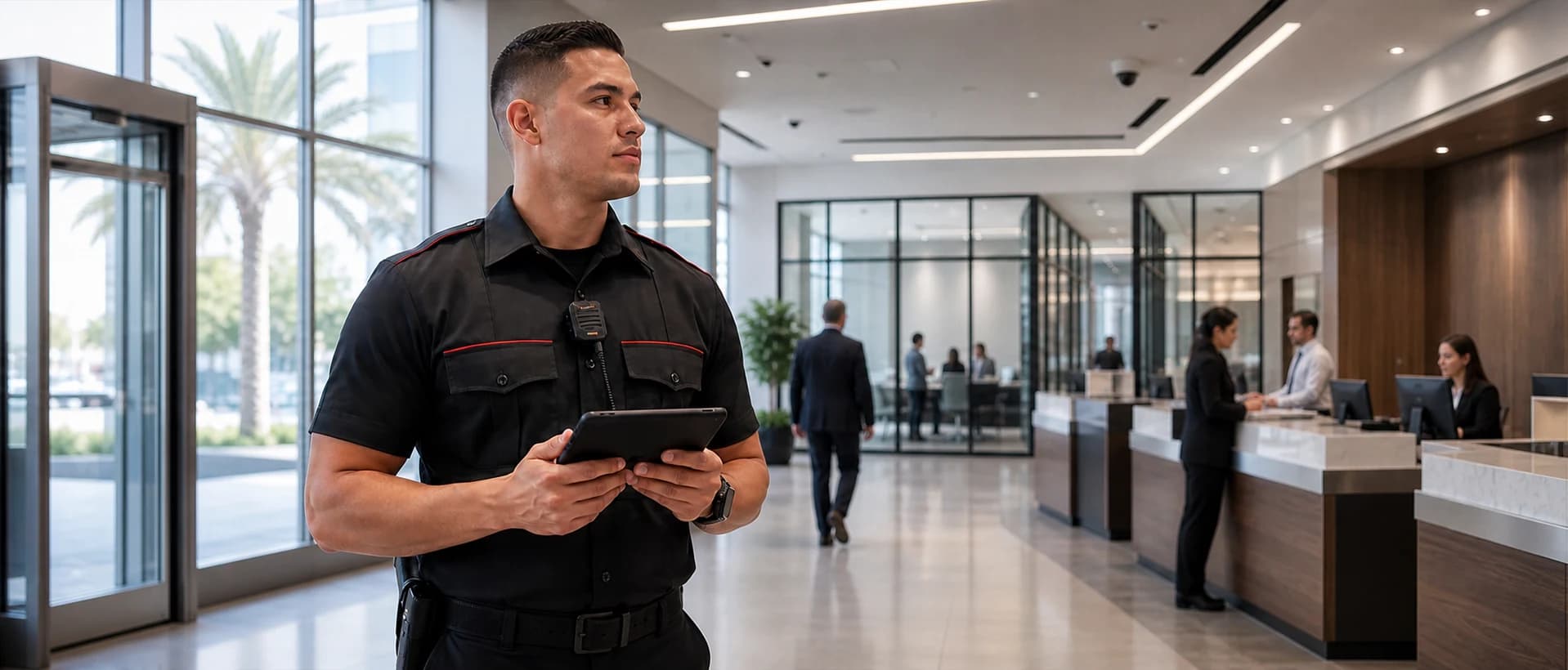
As organized retail crime and aggressive incidents increase operational risk, asking store employees to manage every confrontation can put them in harm's way. A dedicated loss prevention security service brings trained personnel who can deter theft, document incidents, de-escalate volatile situations, and enforce store safety procedures within defined legal and operational boundaries.
The right approach depends on transaction value, merchandise risk, incident history, and the amount of floor coverage employees can realistically provide.
| Key factor | Internal in-house team | Contracted security company |
|---|---|---|
| Primary focus | Balances customer service with loss monitoring | Dedicated asset protection and visible deterrence |
| Conflict handling | Often limited to store policy and general safety training | Trained in legal compliance, reporting, and de-escalation |
| Cost structure | Wages, benefits, supervision, and continuing training | Contracted coverage that can scale with schedules and risk |
| Deterrence | May be less visible when handled by store associates | High visibility from uniformed officers and marked security presence |
| Liability | Retailer manages hiring, training, supervision, and response procedures | Agency provides trained personnel under an established service program |
A low-risk store with lower-value transactions may be well served by good cameras and a trained internal team. Retailers with high-shrink merchandise, repeat incidents, or organized crime exposure should consider a security protection company with proven retail experience to protect inventory, employees, and customers.